Bath · Travel organization · Bag care
What to Look for in a Toiletry Bag for Humid Bathrooms and Travel
A toiletry bag lives in two demanding worlds: the steamy bathroom counter and the crowded suitcase. The right one should keep essentials organized without trapping dampness, make spills manageable, and hold up to the repeated routine of packing, unpacking, and cleaning.
Published October 23, 2026
The trouble with a toiletry bag often begins after the trip, not during it. A damp washcloth gets tucked into a corner. A cap loosens somewhere between the bathroom and the airport. A trace of shampoo settles into a seam, where it can linger long after the bag appears empty. In a humid bathroom, even an uneventful morning can leave fabric and lining exposed to moisture.
Choosing well is less about finding the most elaborate organizer than understanding how it will be used. A bag kept beside a sink faces different conditions from one packed in a suitcase. A waterproof lining may help contain a spill, but it does not make the whole bag waterproof. A large interior can hold more, but it may also make small items harder to find. Materials, construction, closure, capacity, and care all matter—and they work together.
The practical goal is simple: keep personal-care items accessible and contained, while making it easy for the bag itself to dry. That is a useful standard for a home bathroom, an overnight stay, or a longer journey.
Start with the conditions, not the style
Before comparing colors or compartments, consider where the bag will spend most of its time. A toiletry bag that stays in a dry drawer between occasional trips may not need the same construction as one that sits on a steamy counter every day. Regular exposure to moisture makes drying and cleaning especially important. Frequent travel raises other priorities: a secure closure, a shape that packs efficiently, and enough structure to keep bottles from pressing against delicate items.
Think through the routine. Will the bag be carried to a shared bathroom? Will it rest on a wet counter? Does it need to hold full-size bottles, or only travel containers? Are cosmetics and liquids carried together, or kept apart? A clear picture of what goes inside—and where the bag will be opened—can prevent the familiar mistake of choosing a roomy design that is awkward to use.
Materials: useful resistance, realistic expectations
The outer fabric and the lining have separate jobs. The exterior takes abrasion from counters, shelves, and luggage. The lining is closer to spills and damp containers. Some synthetic fabrics are easy to wipe and dry relatively quickly; coated surfaces may offer an added barrier against splashes. But material labels alone do not tell the whole story. The finish, seam construction, zipper tape, and points where the lining joins the exterior can affect how well a bag handles everyday moisture.
A moisture-resistant surface is not necessarily waterproof. Water can enter through seams, zipper openings, needle holes, or an unprotected edge. Unless a maker specifically describes a bag as waterproof and explains what that means, treat claims such as “water-resistant” as help against light splashes—not permission to submerge the bag or pack it beside an uncapped bottle.
Fabric bags can be pleasant to handle and easy to pack, but they may absorb spills more readily than a wipe-clean lining. That does not make them unsuitable. It does mean that prompt attention and full drying matter. Natural fibers, including cotton and linen, can be practical when care instructions are followed and the bag is allowed to dry thoroughly. For bathrooms that remain humid, avoid leaving any damp textile folded or zipped away for long periods.
A lining should be smooth enough to wipe and durable enough to withstand routine cleaning. Look for a surface that does not have many deep folds or hard-to-reach corners. If the manufacturer says the lining is water-resistant, check whether that refers to the material alone or to the finished bag. In everyday use, even a well-chosen lining is best regarded as spill management, not a substitute for sealing liquids carefully.
Seams and structure reveal how a bag is built
Seams are where separate materials meet—and where moisture, wear, and stress can converge. Inspect the stitching for evenness, loose threads, and areas that look strained. Reinforcement at handles or corners can matter if the bag will be carried full. Inside, look at how the lining is attached: a neat, secure finish is easier to clean than loose fabric that bunches around the base.
Structure is a question of use, not status. A soft-sided bag may compress neatly into luggage, while a more structured organizer can stand open on a counter and make contents easier to see. If a bag is expected to hold upright bottles, consider whether its base is broad enough to sit steadily. If it will be placed on damp surfaces, a design that keeps the lining from dragging directly across the counter can be useful—but the bag still needs to be dried after contact with water.
The opening should make daily use easier
A toiletry bag can have several pockets and still be frustrating if the opening is narrow. In a hurry, users need to see and reach what they packed without pulling everything out. A wide zipper opening, a stable top, or a layout that holds its shape can make a bigger difference than a long list of compartments.
Pockets are most useful when they solve a specific problem. A small compartment may keep cotton pads or hair ties from disappearing among larger items. An interior pocket can separate a comb from a tube of cream. Too many pockets, however, add seams and corners to clean and can reduce the usable space in the main compartment. Choose organization that matches your routine rather than assuming more divisions are always better.
Pay attention to the zipper, too. It should move smoothly and close without forcing the bag’s sides together. A zipper can help keep contents contained in transit, but it is not automatically leakproof. If a bottle might spill, the safer approach is to close the container securely, place it in a separate sealed pouch, and keep it away from clothing and electronics.
Capacity is a packing decision
The most useful size is not necessarily the largest. A compact bag can encourage a tidy travel kit, but it may become difficult to close when packed with full-size products. A generous bag has room for more, yet can take up valuable luggage space and leave small essentials buried at the bottom.
Make a short list of what you actually carry: toothbrush and toothpaste, skincare, hair products, medication, cosmetics, or shaving supplies. Then consider the dimensions and shape of the containers, not just their number. A tall bottle may need more height than several small jars. If you travel with liquids, check current transport rules for your route and pack accordingly; regulations can vary by location and may change.
For a longer trip, separating categories can be more effective than relying on one oversized bag. Keep liquids in a contained pouch and dry items elsewhere. That arrangement makes a leak less disruptive and can make the main toiletry bag easier to air out.
Cleaning and drying are part of the design
A bag intended for bathroom and travel use should be straightforward to maintain. Before buying, look for specific care instructions: Is the exterior wipe-clean? Can the lining be cleaned with a damp cloth? Is machine washing permitted, or could it damage a coating, padding, zipper, or shape? Do not assume that a fabric bag can be machine-washed just because the material itself is washable.
After a spill, empty the bag and clean the affected area as soon as practical. Use the method recommended by the maker, and avoid harsh cleaners unless the care instructions explicitly allow them. Abrasive scrubbing can damage finishes, while excess heat may affect coatings or synthetic components. When in doubt, test a gentle cleaning method on an inconspicuous area first.
Drying deserves equal attention. Open every pocket and the main compartment, remove any detachable insert, and leave the bag in a well-ventilated place until the interior is fully dry. Do not put it away while damp or close it immediately after wiping. A bag can feel dry on the outside while moisture remains in a seam or folded corner. Emptying it after use and letting it air out can help reduce lingering odors and extend its useful life.
For travel, contain the small risks
Travel compresses the ordinary risks of bathroom storage. Bottles are handled repeatedly, luggage shifts, and a bag may be unpacked onto a counter that is not completely dry. A secure closure helps keep items together; internal organization helps prevent hard objects from pressing against soft containers. Neither feature replaces careful packing.
Tighten caps before departure, keep products upright where possible, and use a separate sealed pouch for anything prone to leaking. Put sharp or fragile tools in a protected compartment rather than loose beside bottles. If the toiletry bag is carried inside a larger bag, consider what a spill could reach. Keeping liquids separate from clothes and electronics is a modest precaution with outsized value when something goes wrong.
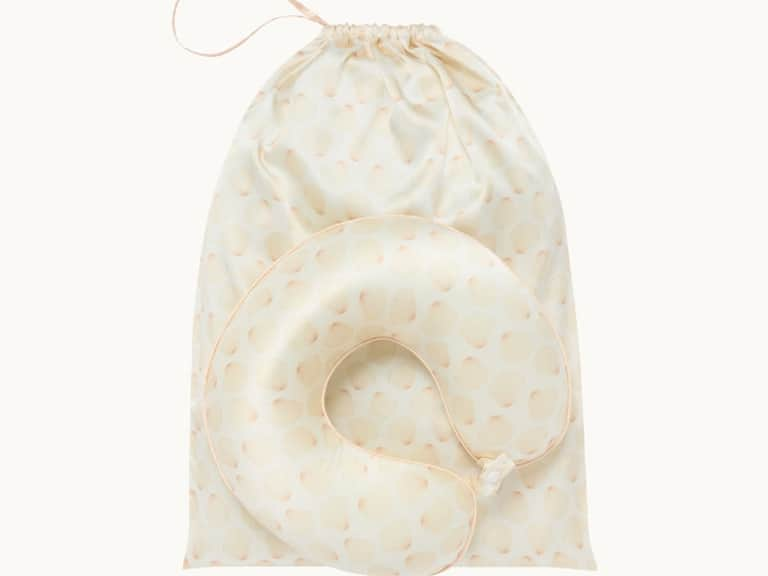
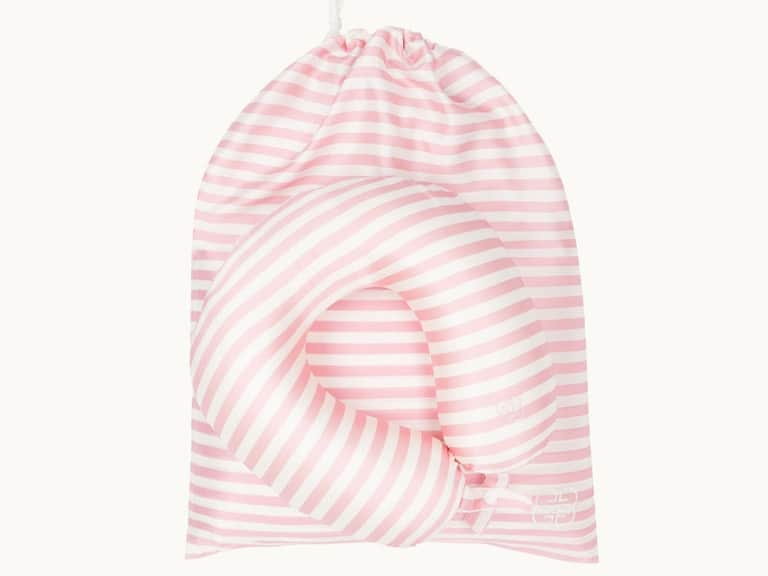
A drawstring closure can suit soft storage for laundry or delicate items, but it is not the same as a secure, spill-containing closure for toiletries. The right design depends on the job. Do not choose a bag for its general resemblance to a travel organizer; check whether its shape, closure, and stated materials actually meet your needs.
A note on product descriptions
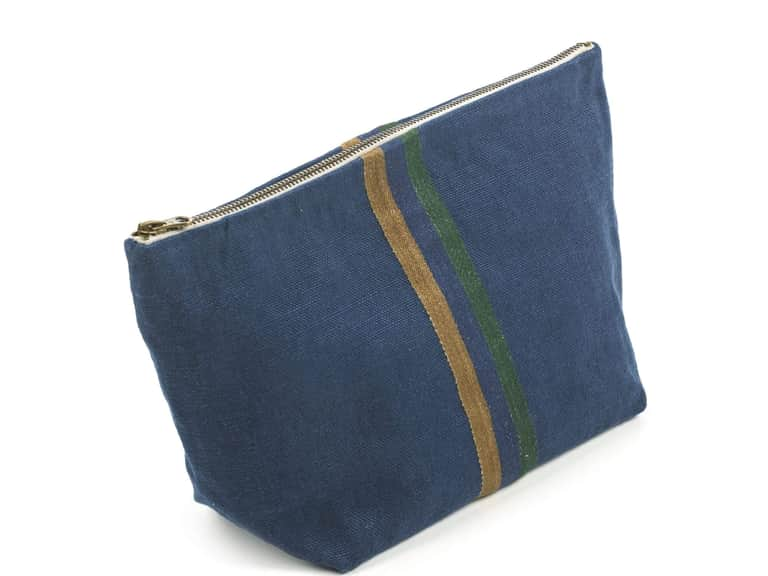
Product names can suggest a purpose without telling the whole story. For instance, the Max Cosmetic Bag is listed as a cosmetic bag, but the available product details do not specify its materials, lining, construction, or care instructions. Those are precisely the details to confirm before relying on any bag in a humid bathroom or packing liquids for travel. A name is a starting point for research, not proof of moisture resistance.
A practical checklist before you choose
- Match the bag to its setting. Consider whether it will be used daily in a humid bathroom, occasionally on trips, or both.
- Check the materials. Find out what the exterior and lining are made of, and distinguish water-resistant from waterproof.
- Inspect the construction. Look for tidy seams, a secure lining, a stable base, and a zipper or closure suited to your routine.
- Test the layout against your essentials. Think about bottle height, access, and whether pockets are genuinely useful.
- Read care instructions. Confirm how to clean the bag and how it should be dried before storage.
- Plan for leaks. Use sealed containers or a separate pouch for liquids rather than expecting the toiletry bag to contain every spill.
The best choice is the one you can maintain
A toiletry bag does not need to be complicated to be dependable. It needs a layout that suits what you carry, materials appropriate to its surroundings, a closure that keeps contents together, and a construction that can be cleaned without guesswork. In a humid bathroom, the ability to open the bag fully and let it dry may matter more than a claim about a special finish.
For travel, the same principle applies: organize what you need, separate potential leaks, and avoid packing the bag away while damp. These small habits protect both the organizer and whatever shares space with it. A well-chosen bag makes routines quieter. It puts essentials within reach, limits mess when plans shift, and is ready to be used again after the journey ends.