Authenticating Libeco Linen Bags: A Practical Guide for Shoppers
In the world of pre-owned accessories, Libeco linen bags stand as a paragon of craft—timeless, durable, and quietly luxurious. This guide, written in a measured, Time Magazine-inspired voice, walks buyers through practical steps to verify authenticity, assess quality, and price used Libeco linen bags with confidence. It is a checklist-informed, evidence-based approach designed to demystify second-hand shopping while preserving the dignity of the product and the seller.
Why Libeco Linen Matters in the Second-Hand Bag Market
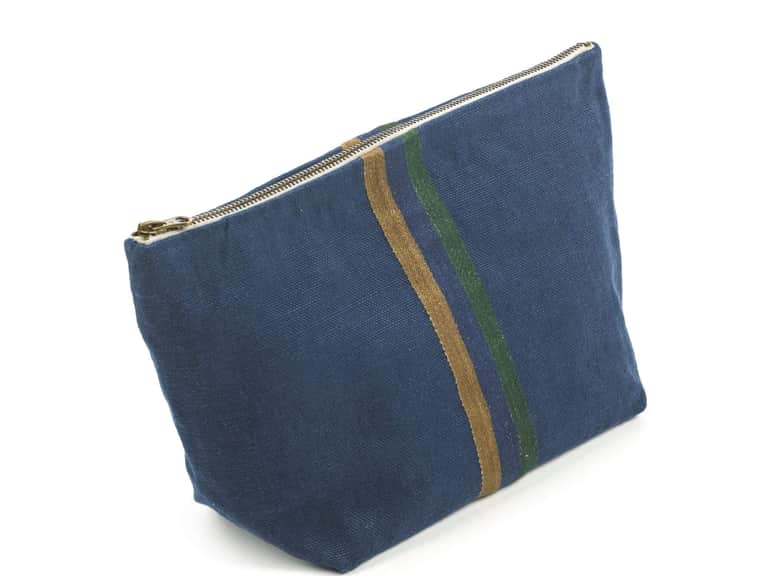
Libeco is a name bound to Belgian flax, meticulous weaving, and a long-standing tradition of durable, high-quality textiles. When Libeco linen bags appear in the resale arena, they carry with them not just utility but a narrative of craftsmanship. Their linen fibers are typically robust, with a natural texture that ages gracefully. But as with any luxury textile, the value lies not only in the fiber itself but in the details—the weave density, the hardware, the linings, and the construction techniques that signal genuine Libeco heritage.
For buyers, understanding the Libeco signature is less about reverence and more about verifiable cues. The goal is to distinguish authentic Libeco from lookalikes and to recognize how wear, repairs, and age influence pricing. For sellers, presenting a bag with clear, provenance-backed details helps close a fair deal while maintaining credibility in a market that prizes transparency as a currency as valuable as the bag itself.
Material Cues: The Fabric as a Gold Standard
Libeco linen bags, like many Libeco products, leverage the natural properties of Belgian flax—strength, breathability, and a distinctive texture. When evaluating a Libeco linen bag in the wild or in a marketplace listing, pay close attention to:
- Fabric weight and hand: Linen should feel substantial yet not stiff. A Libeco bag will often exhibit a certain grain and a robust drape, with a tactile sense of resilience rather than a flimsy hand.
- Weave and finish: Look for a tight, even weave and clean selvedges. The stitching around edges and panels should be precise, with minimal slippage or loose threads.
- Color and dye: Libeco bags typically maintain rich, even tones. Fading or uneven patches can indicate improper cleaning or repairs that may affect integrity.
- Hardware: Metal hardware should feel substantial and operate smoothly. Grommets, rivets, clasps, and zippers should align cleanly and show consistent patina without corrosion.
- Lining and interior details: If a Libeco bag includes a lining, inspect its attachment and condition. A well-made Libeco bag will show careful interior finishing with reinforced seams where necessary.
In practice, the fabric weight and hand are the first, most tangible signals of legitimacy. A Libeco linen bag that feels lighter than expected or lacks the crisp character typical of high-grade linen warrants closer scrutiny.
Hardware, Stitching, and Interior Features: The Craft Signals
Beyond the linen itself, Libeco bags reveal their pedigree through hardware choices, stitching quality, and internal design. Consider the following:
- Stitch density and uniformity: Even, tight stitches indicate careful craftsmanship. Look for consistent stitch length and no loose ends or skipped stitches.
- Edge bindings: Edges should be cleanly finished, with no fraying or rough corners. If the bag has leather trim or webbing handles, inspect the bond lines for strength and neatness.
- Seams and panel alignment: Panels should align precisely at seams, with no twisting or puckering when the bag is laid flat.
- Interior pockets and linings: Libeco bags might feature simple, functional interiors. Inspect for secure stitching, intact linings, and absence of unpleasant odors which might indicate moisture exposure or poor storage.
- Zippers and closures: If present, zippers should glide smoothly, with sturdy pulls and well-seated stops. A faulty zipper can be a red flag that affects usability and value.
These craft signals—how a bag is put together—often outlast the bag’s surface wear. They are a reliable litmus test for authenticity and overall condition.
Interior Details: Labels, Linings, and Provenance
In the Libeco ecosystem, provenance matters. When authenticating, look for internal cues that speak to the bag’s origin and quality control:
- Label quality: Many Libeco bags carry a subtle brand marker or an internal label that confirms the origin. Inspect font, spacing, and placement for consistency with Libeco’s known labeling conventions.
- Stitching around the label: The area surrounding a care label or brand tag should be reinforced. A loose label often indicates beginner repairs or hasty refurbishing.
- Lining care: If the bag has a lining, the stitching around the lining should be clean, with no excessive wear or detachment from the bag’s body.
- Brand marks and serials: Some Libeco items may include serials or date codes. If present, verify against Libeco’s documented patterns or official guidance.
Interior features can be quiet but telling. A well-preserved interior speaks to how the bag was stored and used, while a compromised interior can signal more extensive wear or earlier attempts at repair.
Pricing Benchmarks: Reading the Market for Libeco Linen Bags
Pricing used Libeco linen bags requires balancing supply, demand, and the bag’s condition. Here are methodological anchors to ground your assessment:
- Condition tiers: Mint, excellent, good, and fair conditions map to distinct pricing bands. Create a consistent rubric for yourself, noting that external wear often belies internal integrity, and vice versa.
- Rarity and model: Some Libeco models—defined by design, hardware, or lining choices—carry premium. Known styles that align with Libeco’s archive or that show distinctive finishes can command higher prices.
- Material novelty and care: Bags with pristine linen, minimal creasing, and well-preserved linings typically fetch higher prices. Conversely, bags with visible staining, repairs, or fabric wear can require price adjustments and transparent disclosures.
- Condition-related repairs: If a bag has undergone professional repairs, evaluate the quality and impact on value. Documenting repairs with receipts or notes helps buyers understand risk and cost of future maintenance.
- Market comparables: Compare listings that share major attributes—model, size, color, hardware—and adjust for condition and provenance. Look for recent sale data where available, recognizing that the second-hand market can be fragmented across platforms.
In practice, pricing is a narrative as much as a number. A well-documented bag with clear provenance, excellent condition, and thoughtful presentation often commands a premium, while a transparent seller who discloses all known defects tends to earn buyer trust and faster transactions.
Authentication: A Practical Checklist for Shoppers
The authentication checklist below is designed to be actionable and straightforward, enabling buyers to assess Libeco linen bags with clarity and confidence. Use it when evaluating photos or in-person:
- Fabric: Assess weight, hand, and weave. Linen should feel substantial and breathable with natural texture characteristic of Libeco's product language.
- Label and branding: Examine the brand tag, serials if present, fonts, and alignment. Compare with known Libeco branding cues from reputable sources.
- Stitching: Check seam density, alignment, and finish. Consistent, even stitching is a hallmark of quality manufacturing.
- Hardware: Inspect clasps, zippers, and connectors for smooth operation and sturdy attachment. Look for consistent patina and absence of corrosion.
- Interior: Review lining quality, attachment, and cleanliness. Check for moisture issues, odors, and loose components.
- Provenance: Request any available documentation, a note about prior ownership, or receipts from reputable retailers. Documentation adds credibility and ease of resale.
- Overall wear: Differentiate cosmetic wear from structural compromise. Small scuffs or creasing can be acceptable if the bag remains fully functional.
- Return policy and seller credibility: Favor listings that offer a reasonable return window or clear communication about the bag’s condition and authenticity.
Following this checklist helps buyers navigate the sometimes opaque terrain of pre-owned luxury, turning uncertainty into a structured evaluation.
Care and Maintenance: Extending Libeco Linen Bags’ Lifespan
Care is a practical companion to authentication. Linen benefits from thoughtful stewardship that honors its fibers and maintains value. Consider these best practices:
- Storage: Store bags in a cool, dry place away from direct sunlight to minimize color fading and fiber weakening. Use dust bags or breathable cotton wraps when possible.
- Cleaning: Spot-clean with a mild, pH-neutral detergent; avoid harsh chemicals that can degrade linen. Air dry away from direct heat sources.
- Lint and pilling: Gently remove surface lint with a soft brush or cloth. Illegal or rough abrasion should be avoided to preserve texture.
- Shape retention: Maintain the bag’s structure by stuffing gently with tissue or using internal organizers that don’t distort seams.
- Hardware care: Wipe metal parts with a dry cloth; apply minimal oil to moving clasps if recommended by the manufacturer, taking care to avoid contact with fabric.
Appropriate care preserves the bag’s tactile appeal and structural integrity, reinforcing the bag’s value in the resale ecosystem while respecting the materials that Libeco, with its heritage, chooses to honor.
Glossary: Core Terms You’ll Encounter
To support readers new to the world of Libeco and linen bags, here is a concise glossary of terms you’ll likely encounter:
- Linen: A natural fiber derived from flax, known for breathability, durability, and a distinctive texture.
- Momme: A unit of silk weight used here illustratively; for Libeco linen, weight is typically described in grams per square meter (GSM) or similar textile metrics; refer to specific product data for accurate values.
- Hardware: The metal or composite components such as zippers, clasps, and rivets that contribute to durability and functionality.
- Lining: The inner fabric layer that protects the bag’s interior and supports shape retention.
- Provenance: Documentation and history of a product’s ownership and authenticity.
What to Expect: The Libeco Linen Bag Market Today
In today’s second-hand ecosystem, Libeco linen bags are prized for their enduring craft and natural aesthetic. The market rewards clarity—clear photos that reveal weave, seams, and hardware; transparent disclosures about condition; and credible provenance. Buyers often seek a blend of utility and story: a bag that offers practical use while carrying the quiet signature of Libeco’s linen craftsmanship. Sellers gain when they present comprehensive details, including close-ups of the fabric texture, hardware, and interior features, alongside honest assessments of wear and any repairs.
As with any luxury resale, the key is a balanced, data-driven narrative. When both sides approach the transaction with fairness, the transaction not only preserves value but also reinforces a culture of trust around sustainable, well-made goods.
Related Resources and Further Reading
While this guide focuses on authentication and practical evaluation, readers may also benefit from broader resources on textile history, brand-specific care guidelines, and sustainable fashion ethics. Always cross-reference with official Libeco materials and reputable industry sources to confirm details, as branding, labeling conventions, and product lines can evolve over time.
Product Spotlight: Silk Laundry Bag — Pink & Ivory Stripe
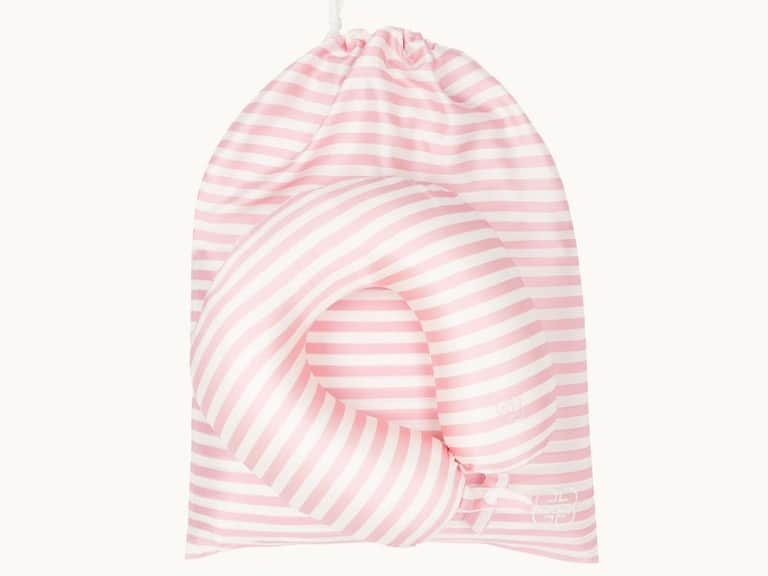
While Libeco linen forms the core of this article’s theme, readers visiting the shop may also encounter complementary accessories that underscore a thoughtful approach to travel and care. The Silk Laundry Bag in Pink & Ivory Stripe, described as a 100% Mulberry silk item with a 19 Momme weight, exemplifies the luxury side of travel storage. Crafted for durability and a premium hand-feel, it offers a generous interior and secure drawstring closure, aimed at keeping delicate textiles fresh while on the move. This product aligns with the ethos of mindful, well-made goods that appreciate both form and function, even as its material and use-case diverge from Libeco linen bags.
Price: 85.00 USD. For more details, you can view the product page linked in the site’s product catalog.
Conclusion: A Practical Framework for Buying Libeco Linen Bags
Authenticating Libeco linen bags is less about ornate conjecture and more about disciplined examination of material, construction, and provenance. By focusing on fabric weight and hand, weave finish, hardware integrity, stitching quality, interior finishing, and available documentation, buyers can approach the second-hand market with confidence and poise. This guide provides a structured framework—one that respects Libeco’s heritage while equipping shoppers with the tools to discern value in a complex, evolving marketplace. In the end, an authentic Libeco linen bag is not just an object; it is a conversation between maker, owner, and the next steward who will carry it into the future.